
Vacations are a time when it is far too easy to slip, and allow yourself to eat less-healthy  foods, regardless of how good you usually are. This is especially true of the trip from home to the vacation and the trip back as well. If you have diabetes, it is not a matter of simply packing some clothes and jumping in the car. The road trip itself has a host of possible pitfalls. Such hazards, of course, are not unique to diabetics – boredom, for example – but the side-effects of low blood sugar (hypoglycemia) certainly need to be guarded against. Try these tips:
- Instead of store-bought cookies or protein bars, make some of your own. For example, some chocolate chip protein bars, or some honey nut bars. Wrap the finished product in parchment and place in a sandwich bag to take along with you.
- Bring some ready-prepared sandwiches with you. Regular sandwiches are in
 danger of coming apart as you eat, especially if you are doing the driving and are eating one-handed. As an alternative, make a wrap sandwich by placing a thin layer of ingredients (does chicken breast, spinach leaves, red onion and mayonnaise sound good?) on a tortilla and then rolling it up. As another alternative, place similar ingredients into a pita bread pocket. When you need to eat, even if it is one-handed, the result will not be a mess in your lap.
 - For longer trips, take a large cooler with you. When traveling by car on a long trip, it is very tempting to give in to your cravings and to buy junk food, especially as it’s an easy way to keep fractious children quiet. But if you have a large cooler with you, fill it with bottled water, precut carrots and celery, slices of red and green pepper, ready-prepared sandwiches, low-fat dip and so forth, you should be able to save a lot of calories, fat grams and money. Oh, and don’t forget a layer of ice.
- Use the car’s cup holders to place easily accessible snacks before you start. Consider filling a plastic cup (or a paper cup if you feel that they are more environmentally-friendly) with carrots, snap peas, celery, or other vegetables, and place in the cupholder before you leave your driveway.
- Be aware of your symptoms, especially for hypoglycemia. We are all different, of course, but you do need to be aware of how traveling affects your diabetes. For myself, the two biggest problems I have with low blood sugar are a reduced attention-span and irritability with those around me. I often fail to recognize this until somebody points it out to me. Neither situation is likely to help me drive better.
Please note that the content presented here is for your information only. It is not a substitute for professional medical advice, and it should not be used to diagnose or treat a health problem or disease.

 no matter how well you may be doing in fighting diabetes in other areas of your life, if you are not eating healthy you will always be running behind. And regardless of how gorgeous your kitchen may be, if you don’t make healthy food, and stock the kitchen with items that will help fight the disease, you are only ever going to be able to hope that the medications you have will be enough. Your goal in this area needs to be setting up a kitchen that lets you make healthy foods in a hurry, and where diabetes-friendly snacks and drinks are the rule rather than the exception. Try these tips:
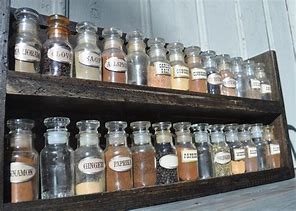 help you to flavor meals, but by and large they contain next to no calories. There are a few spices that contain antioxidant and anti-inflammatory properties. These include fresh garlic, onion, oregano, basil, ginger, and rosemary. Cinnamon may even be helpful in treating diabetes (not just helping to reduce calorie intake) by lowering fasting blood glucose levels by up to 30%. It may also help in reducing LDL cholesterol, often referred to as bad cholesterol. Follow
 So, you’ve recently been diagnosed with diabetes, and your doctor has prescribed some medications for you. Until now, you may have had little or no need to use one, but becoming familiar with your local pharmacy is an important step towards better health and effective control of your blood sugar levels. The pharmacist does a lot more than simply count pills and place them in a bottle. Get to know him or her. He or she can help you understand your diabetes medications, give advice, save you from dangerous drug interactions, and can even save you money. Try these tips:
 Tim's Diabetes Blog